Brandy Fureman, PhD, FAES
Deepti Zutshi, MD, FAES
Deepti Zutshi MD, FAES, FAAN, FACNS, is Associate Professor of Neurology at Wayne State University School of Medicine. She completed her medical training in the six-year Honors Program in Medicine at the Miller School of Medicine at the University of Miami, Miami, Florida. After completing a preliminary medicine internship in Miami at Jackson Memorial Hospital, she completed her neurology residency and clinical neurophysiology fellowship at Emory University, Atlanta, Georgia. She joined the faculty at WSUSOM in 2013.
Dr. Zutshi's primary clinical and research interests are in the field of epilepsy and critical-care electroencephalography. She serves as the director of the epilepsy and pregnancy high risk clinic at Detroit Medical Center, where she provides epilepsy care and management for women with epilepsy who want to become pregnant or wish to become pregnant. She currently is the Holden Lab Medical Director for the Detroit Medical Center’s Level 4 Comprehensive Epilepsy Center. Dr. Zutshi also has contributed significantly to the areas of medical education. She is currently the Course Director for the Human Disease Foundation segment III course for second year medical students at WSUSOM and faculty advisor and mentor for students who wish to pursue neurology as a career.
Lu Lin, MD, PhD
Dr. Lin is an Associate Professor of Neurology at Baylor College of Medicine, where she is engaged in clinical care, teaching, and research. She earned her medical degree from Peking University Health Science Center, then completed PhD and neurology residency at the University of Texas Southwestern Medical Center. She pursued clinical neurophysiology fellowship training at Beth Israel Deaconess Medical Center and epilepsy fellowship training at Brigham and Women’s Hospital. Her clinical and academic interests include women’s health in epilepsy, critical care EEG and drug-resistant epilepsy. She currently is the medical director of epilepsy monitoring unit and EEG laboratory at Baylor St Luke’s Medical Center, and the program director for both clinical neurophysiology and epilepsy fellowship programs at Baylor.
David Marshall, PhD, ABPP
David Marshall, Ph.D., ABPP-CN, is a board-certified clinical neuropsychologist, Clinical Associate Professor of Psychiatry, and Clinical Director of the Neuropsychology Program in the Department of Psychiatry at Michigan Medicine. His clinical and research work focuses on neuropsychological outcomes in epilepsy and other neurological conditions, including cognitive, psychological, and behavioral factors in patients undergoing epilepsy surgery. He is actively involved in training and mentorship, including supervision of neuropsychology postdoctoral fellows and epilepsy-focused research mentorship. Dr. Marshall also lectures for psychiatry and neurology trainees on neuropsychological assessment, epilepsy care, and procedures such as the Wada test. He contributes to institutional and national committees in neuropsychology and epilepsy, with an emphasis on advancing clinical care, supporting interdisciplinary collaboration, and mentoring the next generation of clinicians and researchers.
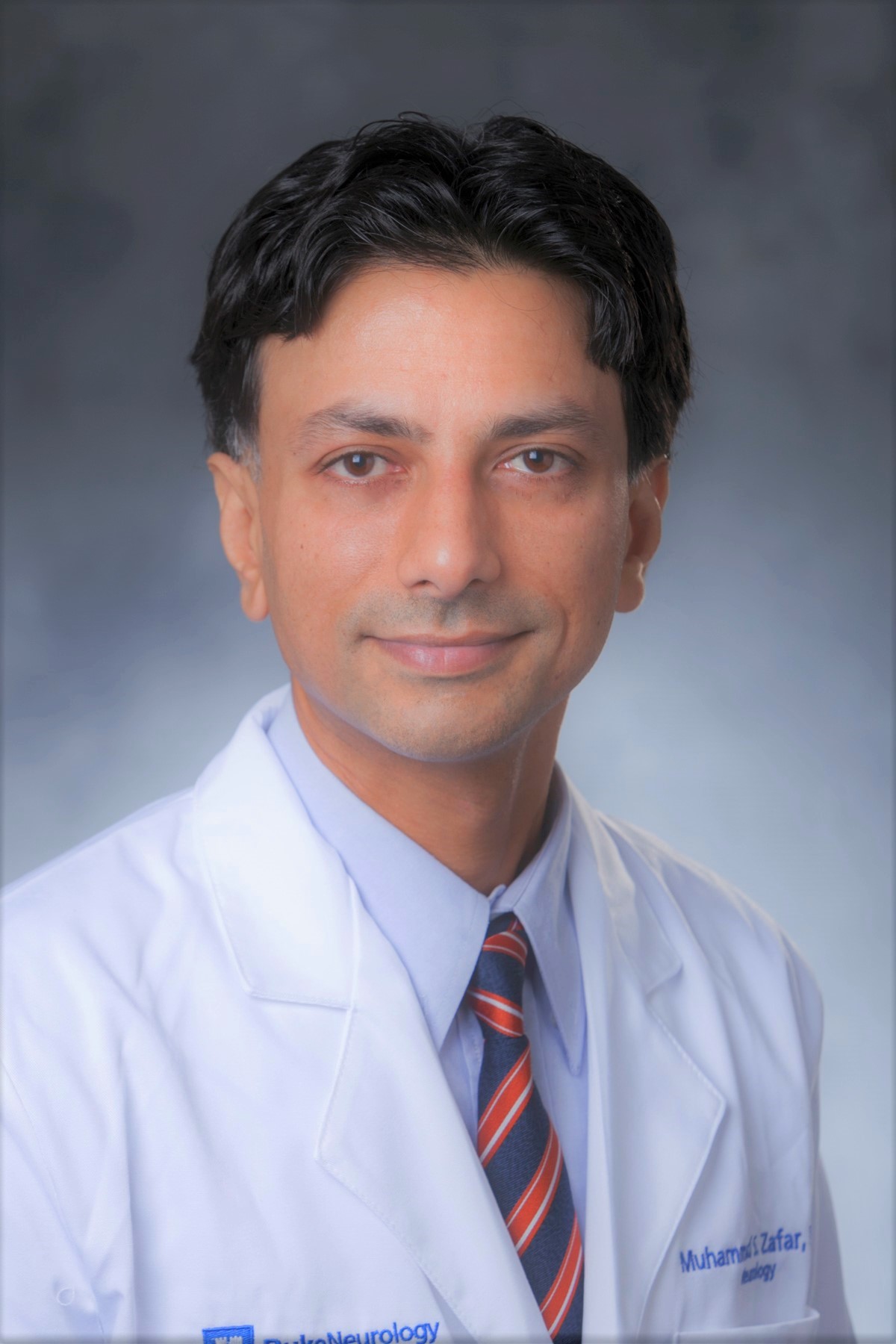
Shahzad Zafar, MD
Muhammad Zafar, MD, is a pediatric epileptologist and Associate Professor in the Departments of Pediatrics and Neurology at Duke University Hospital. He serves as Director of the Epilepsy Monitoring Unit and Co-Director of the Tuberous Sclerosis and Dravet Syndrome Clinic. Dr. Zafar completed his pediatric residency in New York, neurology residency at the University of Kentucky in Lexington, and clinical neurophysiology fellowship at Duke University Hospital, where he subsequently joined the faculty. He maintains an active inpatient and outpatient clinical practice focused on pediatric epilepsy. His clinical and research interests include medically refractory epilepsy, epilepsy surgery, advanced epilepsy therapies including neuromodulation, and pharmaceutical drug development. He is actively involved in multiple pharmaceutical clinical trials, including antisense oligonucleotide and gene therapy trials for epilepsy.
In addition, Dr. Zafar is engaged in global health initiatives focused on establishing and strengthening epilepsy centers through training and equipment support in low- and middle-income countries, with a particular emphasis on developing sustainable epilepsy care infrastructure.