Presenter
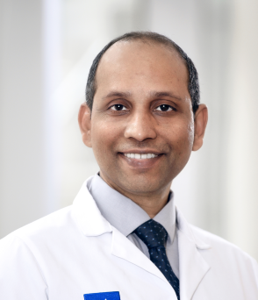
Zulfi Haneef, MBBS, MD
Dr. Haneef is a Professor of Neurology (Epilepsy) at the Baylor College of Medicine & the Michael E. DeBakey VA Medical Center in Houston, where he serves as the Epilepsy Center Director at the VA. He is also the Southwest ECoE (Epilepsy Centers of Excellence), Director for the VA. His research interests include include epidemiology of drug resistant epilepsy, post-traumatic epilepsy, RNS, and machine learning.
Dr. Haneef obtained his medical degree (MBBS) from the Government Medical College Kottayam, India and did post-graduation in Internal Medicine (MD) from the All India Institute of Medical Sciences at New Delhi, India. He obtained an MRCP (Membership in the Royal College of Physicians) at London, UK and did Neurology residency at the Temple University in Philadelphia, PA, followed by fellowships in Neurophysiology and Epilepsy at the University of California, Los Angeles (UCLA).
He has edited a textbook of epilepsy for epilepsy fellows and clinical practitioners called “Fundamentals of Epilepsy”, has authored several journal articles, is the PI of multiple research grants, and is the editor-in-chief of EEGmaster.com, an educational website for EEG trainees.
Moderator
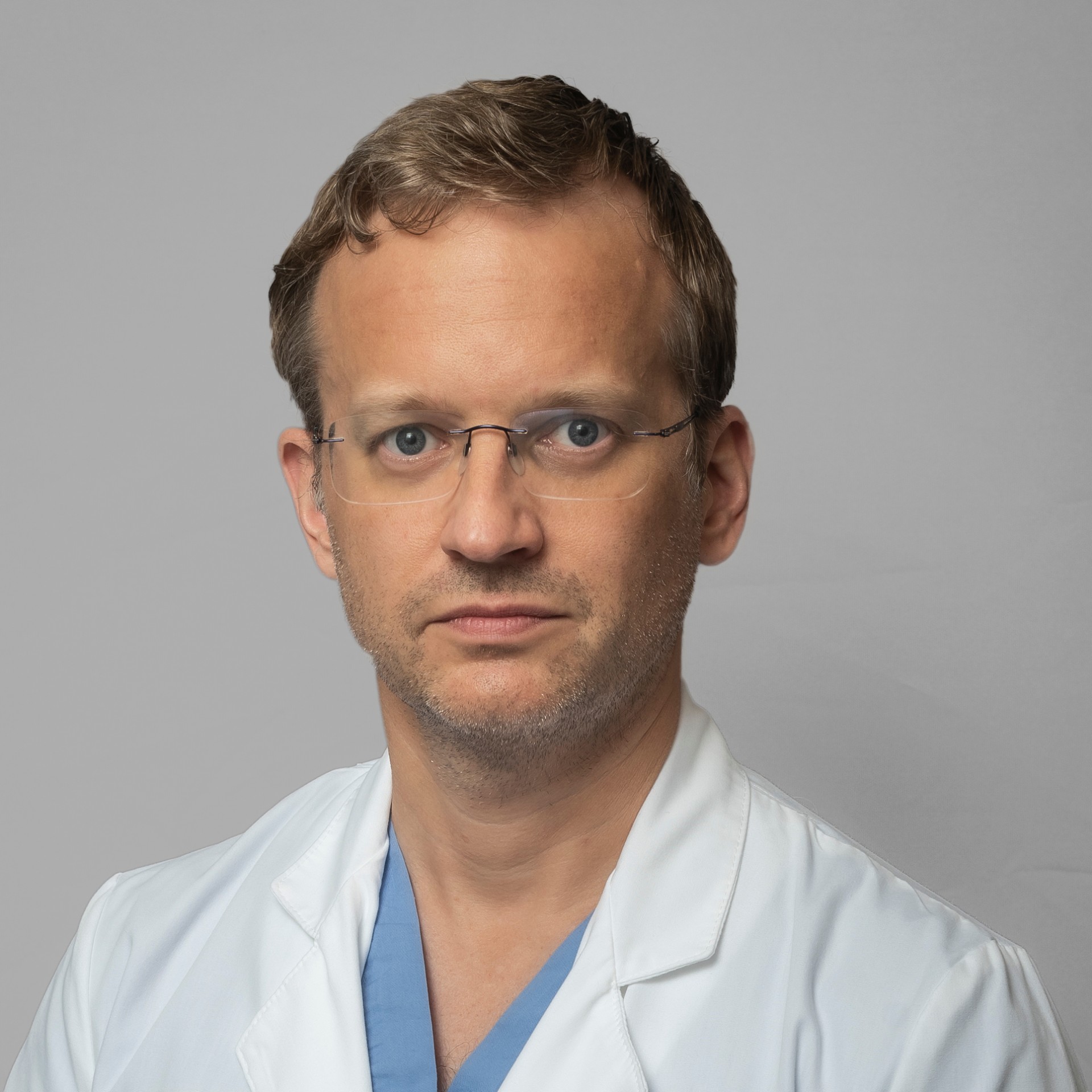
Yarema Bezchlibnyk, MD, PhD, FRCSC
Dr. Yarema Bezchlibnyk is an Associate Professor of Neurosurgery at the University of South Florida (USF) Morsani College of Medicine, where he serves as Head of the Division of Stereotactic and Functional Neurosurgery and Program Director of the CAST-accredited Stereotactic and Functional Neurosurgery Fellowship. He is the Surgical Director of the Comprehensive Epilepsy Surgery Center, Movement Disorders Neuromodulation Center, and Peripheral Nerve Reanimation Center at USF.
Dr. Bezchlibnyk completed his undergraduate training in Molecular Genetics and Molecular Biology at the University of Toronto, followed by a PhD at McMaster University investigating molecular and cellular mechanisms underlying mood and psychotic disorders. He earned his MD at the University of Toronto, where he conducted research on the cellular effects of deep brain stimulation (DBS). He completed neurosurgery residency training at the University of Calgary, including a postdoctoral fellowship investigating chronic pallidal DBS-induced neuroplasticity and comparing the neuropsychological outcomes of pallidal versus subthalamic nucleus DBS. He subsequently completed advanced fellowship training in stereotactic and functional neurosurgery and epilepsy surgery at Emory University.
With over 20 years of experience in clinical and translational neuroscience research, Dr. Bezchlibnyk’s clinical work focuses on resective and disconnective epilepsy surgery, neuromodulation for movement and psychiatric disorders, peripheral nerve surgery including transfers for restoration of function, and minimally invasive, image-guided surgical techniques including radiofrequency thermocoagulation and laser interstitial thermal therapy. His research integrates structural, functional, and neurocognitive biomarkers to optimize patient selection for surgery and to tailor intervention strategies to maximize benefit and minimize risk.
Dr. Bezchlibnyk is principal or co-principal investigator on multiple clinical trials involving neuromodulation, focused ultrasound, stem-cell and genetic therapies, advanced neuroimaging, and minimally invasive surgical approaches for epilepsy, movement disorders, psychiatric disease, Alzheimer’s disease, and substance-use disorders. He lectures nationally on tractography-guided surgery and minimally invasive techniques, including laser interstitial thermal therapy and radiofrequency thermocoagulation, in the management of epilepsy and other neurological disorders.