Activity Title: Ask the Experts Webinar: Seizure Monitoring Devices
Activity Format: Live Webinar
Start Date: 12/11/2026
End Date: 12/11/2026
Platform: Zoom
Estimated Time: 1 hour
Activity Description
Join our presenter, Sandor Benzciky, as we discuss seizure monitoring devices. Wearable and automated seizure-detection devices are increasingly available to patients and families, but how well they've been validated varies widely. In this Ask the Experts webinar, Dr. Sándor Beniczky reviews the evidence behind seizure-monitoring devices, including sensitivity, false-alarm rates and limitations. He also walks through the ILAE–IFCN clinical practice guideline on automated seizure detection with wearable devices. Attendees will learn which patients are most likely to benefit, what the evidence does and doesn't show about SUDEP prevention, and how to pair a device with a realistic caregiver-response plan. Dr. Isha Snehal moderates the Q&A after the presentation.
Target Audience
This activity is designed for epileptologists, neurologists, nurses, advanced practice providers, pharmacists, and other healthcare professionals who care for patients with epilepsy.
Learning Objectives
Upon completion of this activity, participants will be able to:
- Evaluate the clinical validation evidence for seizure-monitoring devices, including sensitivity, false-alarm rates, and limitations.
- Apply the ILAE–IFCN recommendations to identify appropriate candidates for wearable seizure detection, considering seizure type, safety concerns, and feasibility of rapid caregiver intervention.
Accreditation Statement
This activity has been planned and implemented in accordance with the accreditation requirements and policies of the Accreditation Council for Continuing Medical Education (ACCME). The American Epilepsy Society is accredited by the ACCME to provide continuing medical education for physicians.
Credit Designation
The American Epilepsy Society designates this live activity for a maximum of 1.00 AMA PRA Category 1 Credit™. Physicians should claim only the credit commensurate with the extent of their participation in the activity.
CME Certificate
To receive credit for your participation in this activity, please complete the evaluation survey provided at the conclusion of the activity.
Disclosure Policy
It is the policy of the American Epilepsy Society (AES) to ensure balance, independence, objectivity and scientific rigor. All individuals involved in the selection, development and presentation of content are required to disclose any real or apparent conflicts of interest. Conflicts of interest will be resolved by AES prior to an educational activity being delivered to learners.
Conflict of Interest & Disclosure
In accordance with the ACCME Standards for Integrity and Independence in Accredited Continuing Education, the American Epilepsy Society requires that all individuals in a position to control the content of this educational activity disclose all financial relationships with any ineligible company (defined as a company whose primary business is producing, marketing, selling, re-selling, or distributing healthcare products used by or on patients) within the past 24 months. All relevant financial relationships have been identified and mitigated prior to the start of this activity.
|
Name of Individual
|
Individual's Role(s) in Activity
|
Name of Ineligible Company(s)
|
Nature of Relationship(s)
|
Mechanism(s) Implemented to Mitigate Relevant Financial Relationships Appropriate to Role(s) in the Activity
|
|
McNeilly, Michelle
|
AES Staff
|
N/A
|
N/A
|
Nothing to disclose
|
|
Shahram, Izadyal
|
Disclosure Mitigator
|
State University of New York Upstate Medical University, Xenon Pharmaceuticals, Neurona Therapeutics
|
Employment (Current), PI Research grant, PI Research Grant
|
No COI directly related to the content
|
|
Snehal, Isha
|
Faculty
|
Clinic College of Medicine & Science,
|
Employment (Current),
|
No COI directly related to the content
|
|
Beniczky, Sándor
|
Faculty
|
Copenhagen University Hospital, Danish Epilepsy Centre, Eisai, UCB SA,
|
Employment (Current), Employment (Current), Other, Other
|
No COI directly relevant to the content
|
Planning Committee
Wolfgang Muhlohofer, MD (Chair)
Jaysingh Singh, MD (Vice Chair)
Ruba Al-Ramadhani, MD
Evelyn Berman, MD
Jonathan Dashkoff, MD
Proleta Datta, MD
Alyssa Ho, MD
Matthew Hoerth, MD
Scheherazade Le, MD
Jose Montes-Rivera, MD
Georgios Ntolkeras, MD
Rebecca O'Dwyer, MD
Viktoras Palys, MD
Christopher Ryan
Priyanka Sabharwal, MD
Yash Shah
Aparna Vaddiparti
Lawrence Ver Hoef
Kristine Ziemba, MD
Unapproved Use Disclosure
The American Epilepsy Society requires CME authors to disclose to learners when products or procedures being discussed are off-label, unlabeled, experimental, and/or investigational (not FDA approved); and any limitations on the information that is presented, such as data that are preliminary or that represent ongoing research, interim analyses, and/or unsupported opinion. This information is intended solely for continuing medical education and is not intended to promote off-label use of these medications. If you have questions, contact the medical affairs department of the manufacturer for the most recent prescribing information. Information about pharmaceutical agents/devices that is outside of U.S. Food and Drug Administration approved labeling may be contained in this activity.
Disclaimer
This CME activity is for educational purposes only and does not constitute the opinion or endorsement of, or promotion by, the American Epilepsy Society. Reasonable efforts have been taken to present educational subject matter in a balanced, unbiased fashion, and in compliance with regulatory requirements. However, each activity participant must always use his or her own personal and professional judgment when considering further application of this information, particularly as it may relate to patient diagnostic or treatment decisions including, without limitation, FDA-approved uses and any off-label, investigational and/or experimental uses.
Faculty
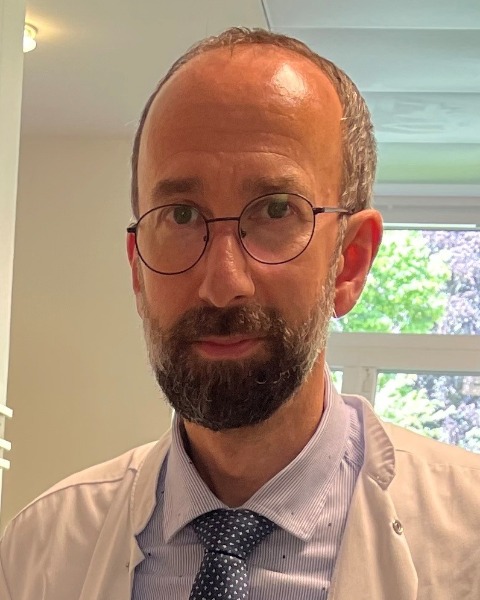
Sándor Beniczky, MD, PhD
Sándor Beniczky, MD, PhD, is a board-certified neurologist, clinical neurophysiologist, and epileptologist. He is a professor at the University of Copenhagen and head of the Clinical Neurophysiology Department at the Danish Epilepsy Centre. He serves as editor-in-chief of Epileptic Disorders, vice-chair of the ILAE Publication Council, and member of the IFCN Guidelines Committee. He was the founding co-chair of the ILAE Neurotechnology Section and chaired the joint EEG taskforce of the IFCN and ILAE.
His main research interests include EEG and epilepsy, electromagnetic source imaging, seizure detection, automated analysis, artificial intelligence, standardization, and quality assurance. He has supervised 12 PhD students and authored more than 330 peer-reviewed papers and 30 book chapters.
Moderator:
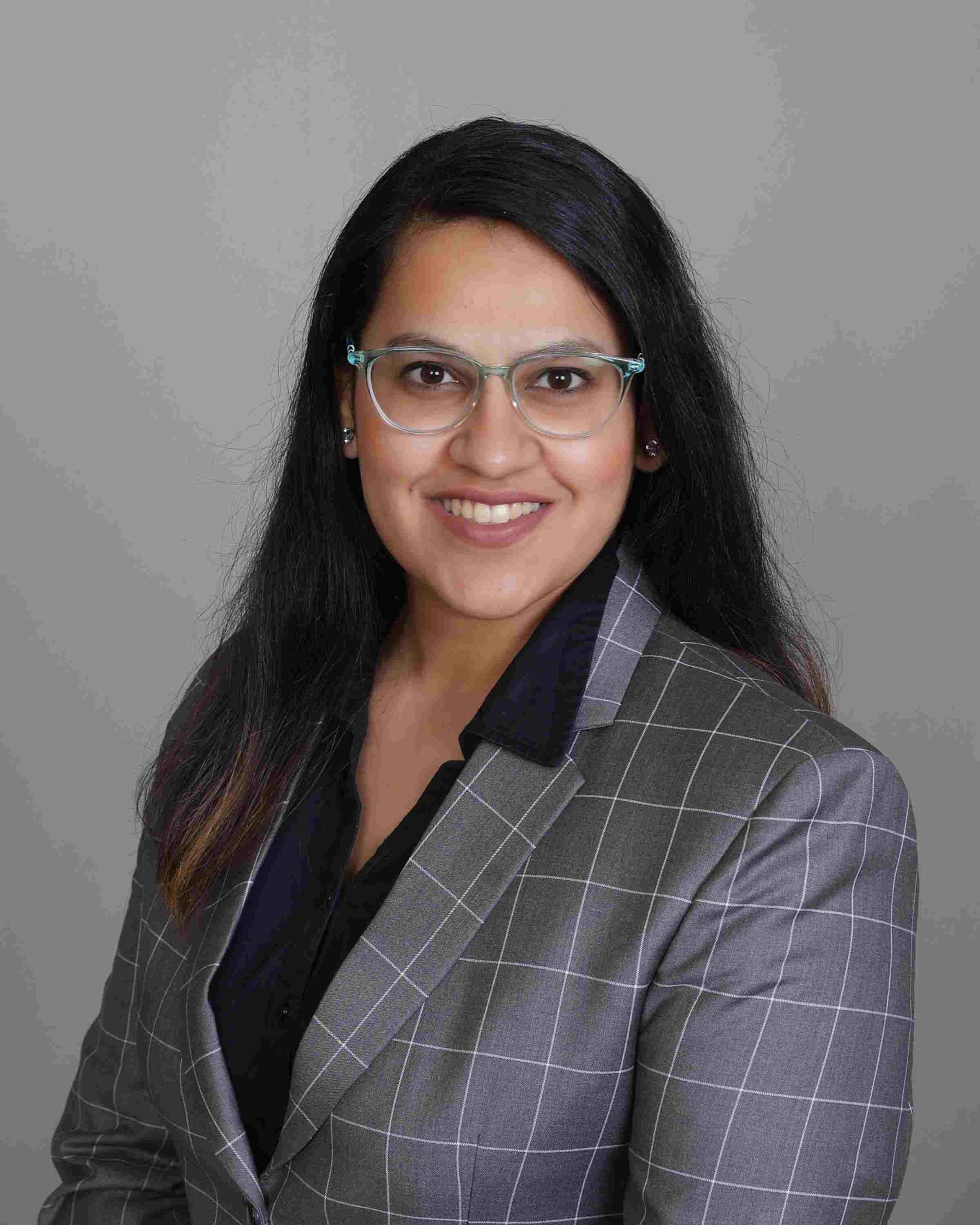
Isha Snehal, MD
Isha Snehal, MD is a board-certified neurologist, specializing in epilepsy, currently completing a neuromodulation fellowship at Mayo Clinic, Rochester. She serves on the American Epilepsy Society's Online Education Committee and co-chairs the Education Committee of the Mayo Fellows' Association. She served as Chief Neurology Fellow at Mayo Clinic during her CNP fellowship, and serves on the Trainee Editorial Board of Neurology Education.Her interests span surgical epilepsy, EEG interpretation, neuromodulation, and medical education, including international clinical experience in EEG interpretation and epilepsy care at University Teaching Hospital in Lusaka, Zambia. She has authored numerous peer-reviewed publications on epilepsy and serves as an active reviewer for journals including Epilepsy & Behavior and Frontiers in Neurology.